How to Compress Images for WhatsApp
Every photo you send through WhatsApp gets compressed. The app strips out metadata, reduces resolution, and applies aggressive JPG compression to keep bandwidth low. If you want to compress image for WhatsApp properly, the trick is to do it yourself before sending, so WhatsApp has less reason to crush the quality further.
This guide covers exactly how to prepare images so they arrive looking sharp on the other end.
Why WhatsApp Reduces Your Photo Quality
WhatsApp was designed for low-bandwidth networks. When you attach a photo from your gallery, the app compresses it to roughly 100-200KB regardless of the original size. A 5MB photo from your phone camera gets reduced by 95% or more. That level of compression causes visible blurriness, especially in areas with fine detail like text, hair, or fabric patterns.
The file size limit for media on WhatsApp is 16MB, but the app does not wait until you hit that limit. It compresses everything aggressively, even a 500KB photo. The goal is to prepare your image so that WhatsApp's compression does the least damage possible.
How to Prepare Images Before Sending
The strategy is straightforward: resize and compress your photo to a size that WhatsApp considers "good enough" so it applies minimal additional compression. Here is the step-by-step process:
- Resize your image to 1600x1200 pixels or smaller using the image resizer. Phone cameras produce photos at 4000x3000 or larger. WhatsApp will downscale them anyway, so doing it yourself gives you control over the result.
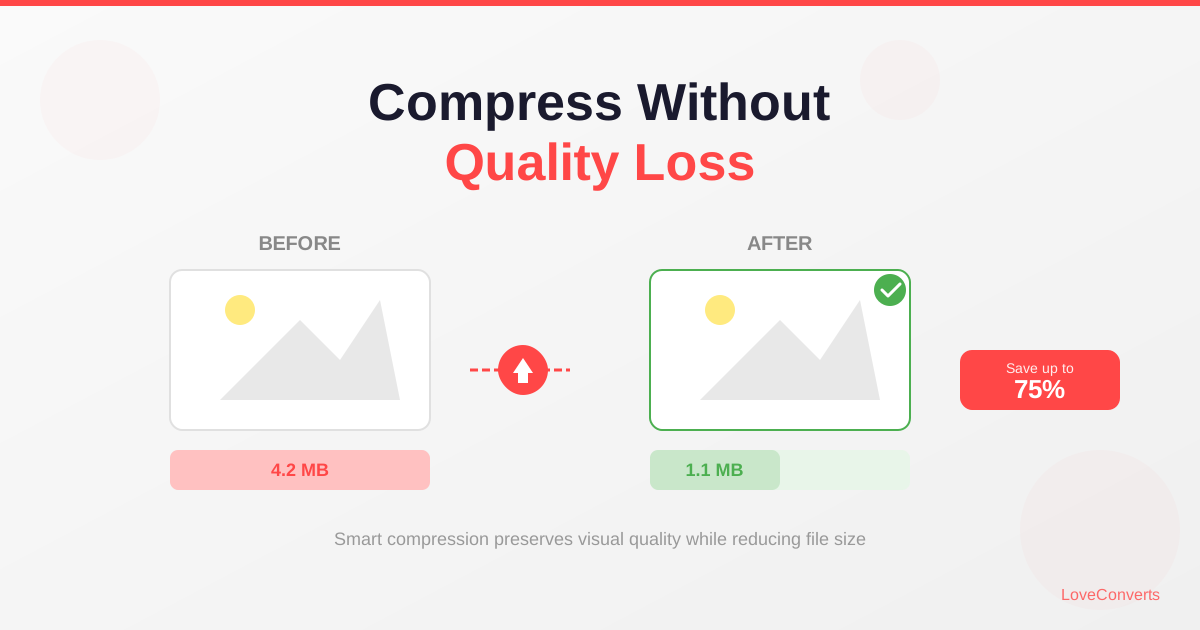
- Compress to 80% quality using the image compressor. This removes invisible data while keeping the image visually identical. The file should end up between 200-500KB.
- Send through WhatsApp. Because the file is already small and properly sized, WhatsApp applies less additional compression.
This two-step process takes about 15 seconds and makes a noticeable difference in the received image quality.
The Document Trick for Full Quality
If you need to send a photo at full, original quality, WhatsApp has a built-in workaround that most people do not know about. Instead of attaching the photo from your Gallery, send it as a Document.
On Android, tap the paperclip icon, then select "Document" instead of "Gallery." Browse to your photo and send. On iPhone, tap the plus icon, choose "Document," and select your image file. WhatsApp transfers the file without any compression at all, just like sending a PDF or spreadsheet.
The downside is that the recipient sees a file attachment instead of an inline image preview. They need to tap to download and open it. For casual sharing this is overkill, but for professional photos, design files, or anything where quality matters, it is the right approach.
Ideal Settings for WhatsApp Photos
Based on testing with various image types, here are the recommended settings:
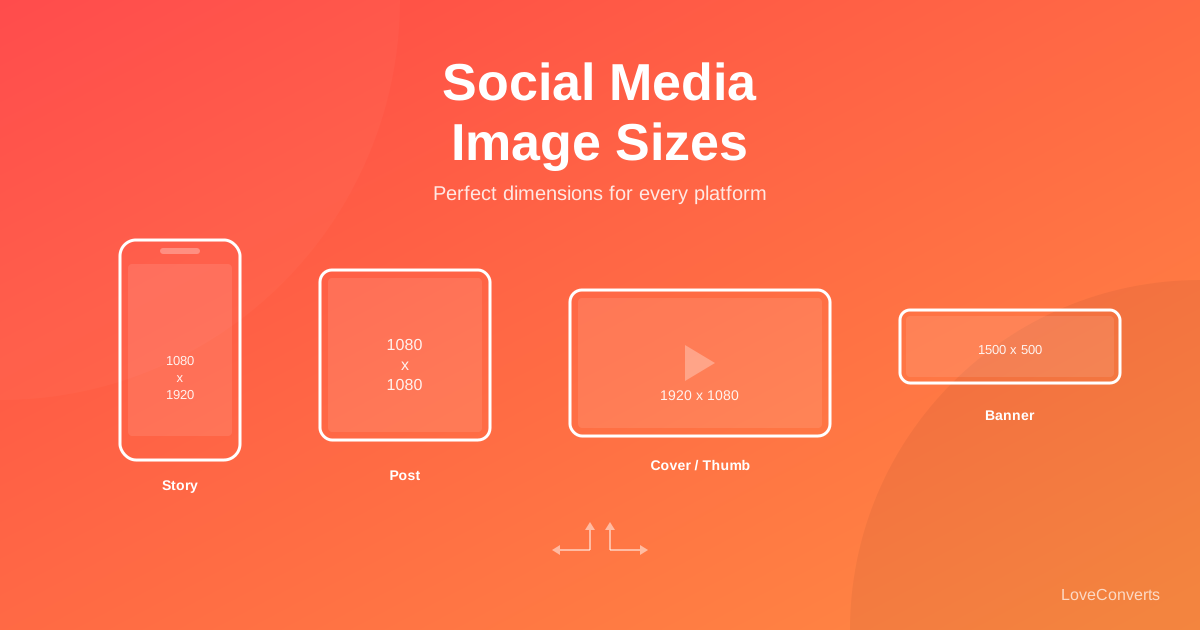
- Dimensions: 1600x1200 pixels for landscape, 1200x1600 for portrait. This is more than enough for phone screens.
- Format: JPG. WhatsApp converts everything to JPG anyway, so starting with JPG avoids a format conversion step.
- Quality: 80%. Below 75%, artifacts become visible. Above 85%, the file size increase is not worth the marginal quality gain.
- Target file size: 300-500KB. This range consistently produces good results after WhatsApp's processing.
For screenshots or images with text, consider using PNG format and sending as a Document. Text is particularly sensitive to JPG compression artifacts.
Batch Preparing Multiple Photos
If you need to send several photos at once, preparing them individually is tedious. Upload all your images to the compressor at once. It handles up to 30 files in a single batch, and you can download all the compressed versions as a ZIP file.
After downloading the compressed batch, send them through WhatsApp one at a time or in a group. Each image will already be optimized, so the quality stays consistent across the entire set.
WhatsApp Status and Profile Photos
WhatsApp Status images get compressed even more aggressively than regular messages. For Status updates, aim for an even smaller file: 1080x1920 pixels (vertical), under 300KB. This gives WhatsApp less to work with, so it compresses less.
Profile photos are displayed at a tiny size, so resolution matters less. A 500x500 JPG at quality 80 works perfectly. Anything larger is wasted, since WhatsApp crops and scales it down regardless.
What About Videos?
WhatsApp applies similar compression to videos, with a limit of 16MB for video attachments. If your video file is large, WhatsApp will re-encode it at a lower bitrate. The same Document trick works for videos too. Send as a Document to preserve the original quality, though the recipient will need to download the full file before watching.
For regular video sharing, keeping your clips under 30 seconds and at 720p resolution produces the best results after WhatsApp processes them. Longer or higher-resolution videos suffer more visible quality loss.