How to Convert GIF to MP4 for Much Smaller Files
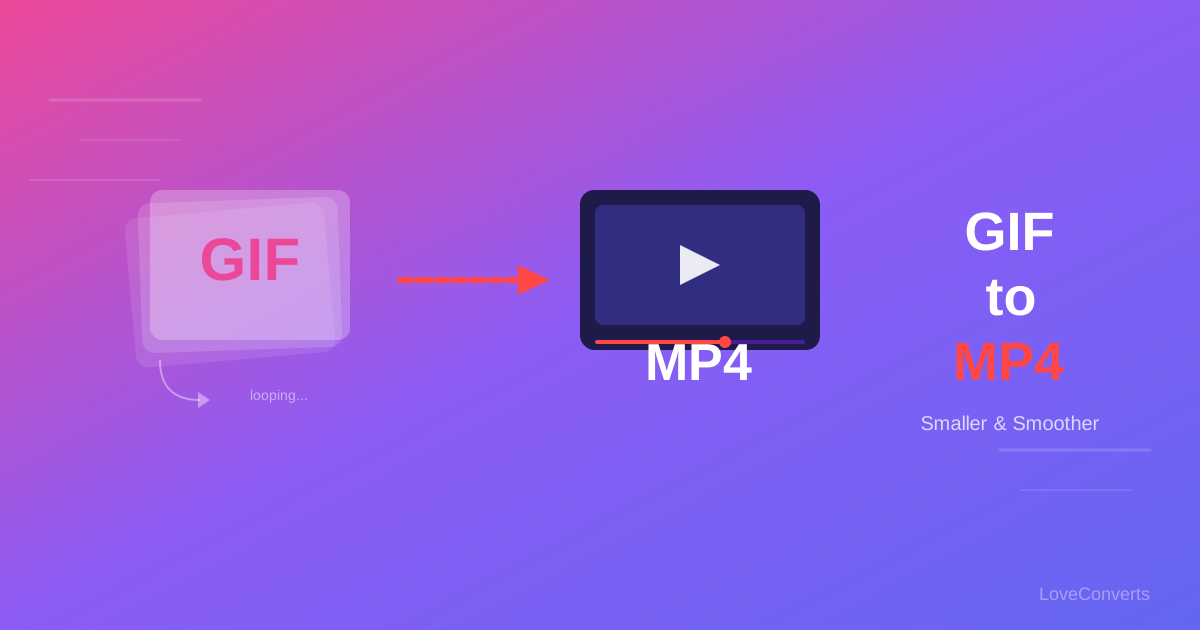
GIF is a 1987 format that was never designed for modern use. A 5-second animation at 500x500 pixels can easily be 10MB as GIF. The same animation as MP4 would be 500KB. Converting GIF to MP4 reduces file size by 90% or more while actually improving visual quality.
Why GIFs Are So Inefficient
GIF stores each frame individually using a compression algorithm from the 1980s. It is limited to 256 colors per frame, which is why GIFs often look grainy and dithered. Modern video codecs like H.264 compress video by storing only the differences between frames, which is dramatically more efficient.
When to Convert GIF to a Static Image Instead
If you do not need the animation and just want a single frame (for a thumbnail, reference image, or static graphic), convert the GIF to JPG or PNG instead. Use the GIF to JPG converter, which extracts the first frame as a static image.
Where to Use MP4 Instead of GIF
- Websites: Use the HTML video tag with autoplay, loop, and muted attributes. It behaves exactly like a GIF but loads 10x faster.
- Social media: Most platforms handle short MP4 clips better than GIFs anyway.
- Messaging apps: WhatsApp, Telegram, and iMessage all support short video clips.
- Email: Embedded GIFs in emails often do not play. A linked video or a static image is more reliable.
The Only Time to Keep GIF Format
A few places still require GIF specifically: some forum signatures, certain documentation platforms, and GitHub README files. If your target platform only accepts GIF, you are stuck with the larger file size. In that case, use the compressor to at least optimize the GIF as much as possible.